
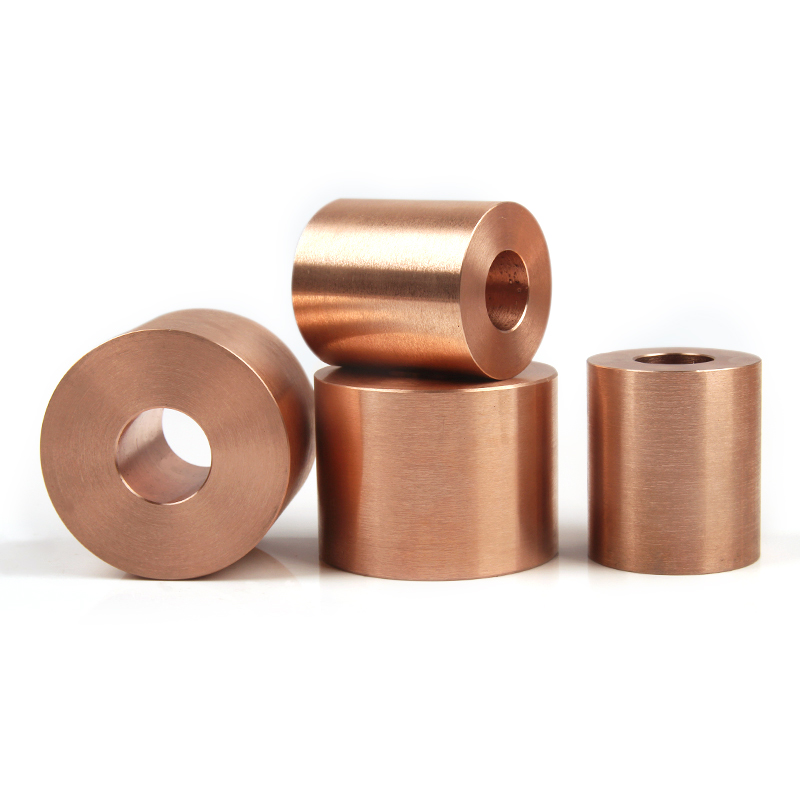
How Is Tungsten Copper Alloy Manufactured? Production Methods, Process Precautions & Quality Testing
Tungsten-copper (W-Cu) alloy is a refractory pseudo-alloy with a vast melting point disparity (W: 3,410°C vs. Cu: 1,080°C), making conventional casting impossible. This comprehensive guide by HAO CARBIDE explores the two primary production routes—traditional powder metallurgy and the mainstream tungsten skeleton copper infiltration method—along with detailed process precautions, comparison tables, and strict quality testing protocols....
Understanding the Thermal Conductivity of Tungsten-Copper (W-Cu) Alloys
Tungsten-copper (W-Cu) alloys balance high thermal conductivity with low thermal expansion and wear resistance. This article explains the underlying conduction mechanisms, the impact of W/Cu composition ratios, microstructural factors, and manufacturing controls by HAO CARBIDE....
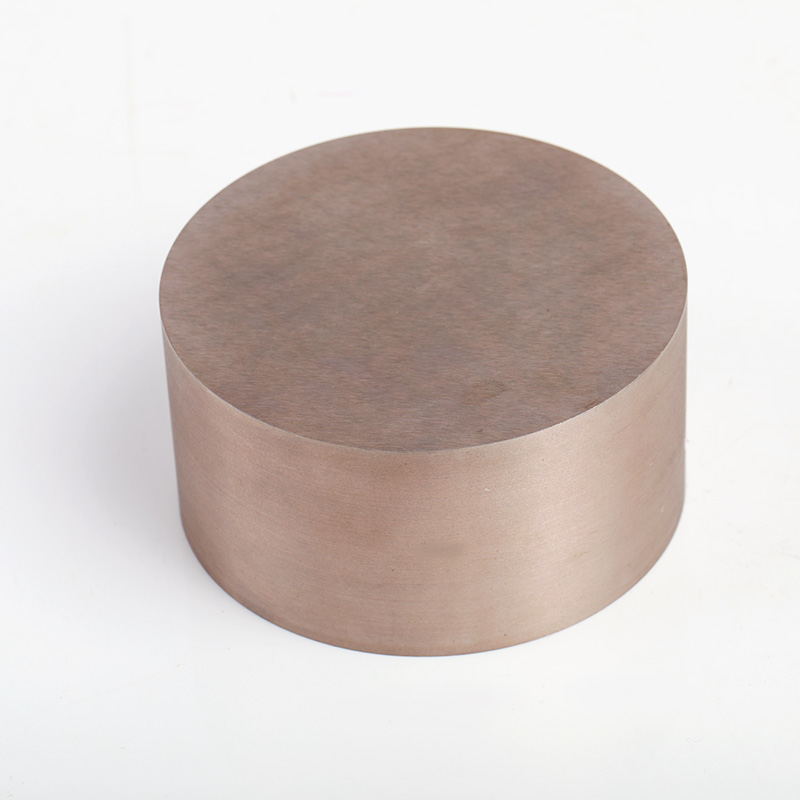
A Comprehensive Guide to Tungsten Copper Alloy Classifications
Tungsten copper alloy classifications extend far beyond common ratios like WCu70/30 and WCu80/20. Explore how geometric forms and end-use industrial applications define W-Cu materials, and how HAO CARBIDE engineers custom solutions for challenging operating environments....
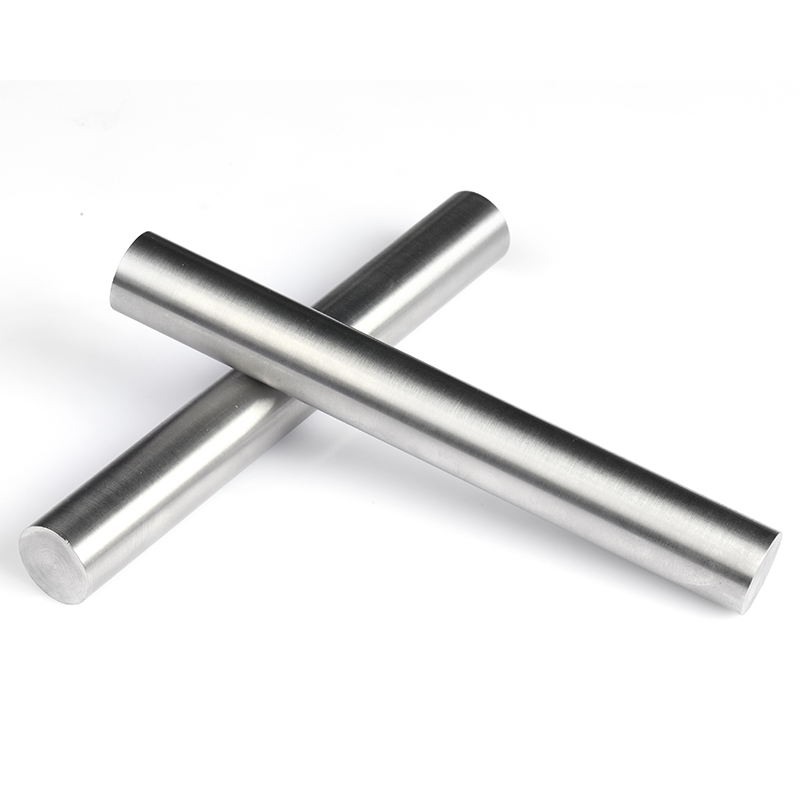
Tungsten Copper vs. Tungsten Nickel Alloys: Differences, Properties & Applications
Both Tungsten Copper (W-Cu) and Tungsten Nickel (W-Ni) alloys belong to the high-density tungsten-based material family at HAO CARBIDE. Both rely on tungsten as their primary backbone, offering high density and thermal resistance. However, their secondary phases are fundamentally different: W-Cu uses copper as an insoluble filler phase, whereas W-Ni employs nickel as a liquid-phase bonding matrix. This compositional difference results in distinct microstructures, physical/chemical properties, and industrial uses...
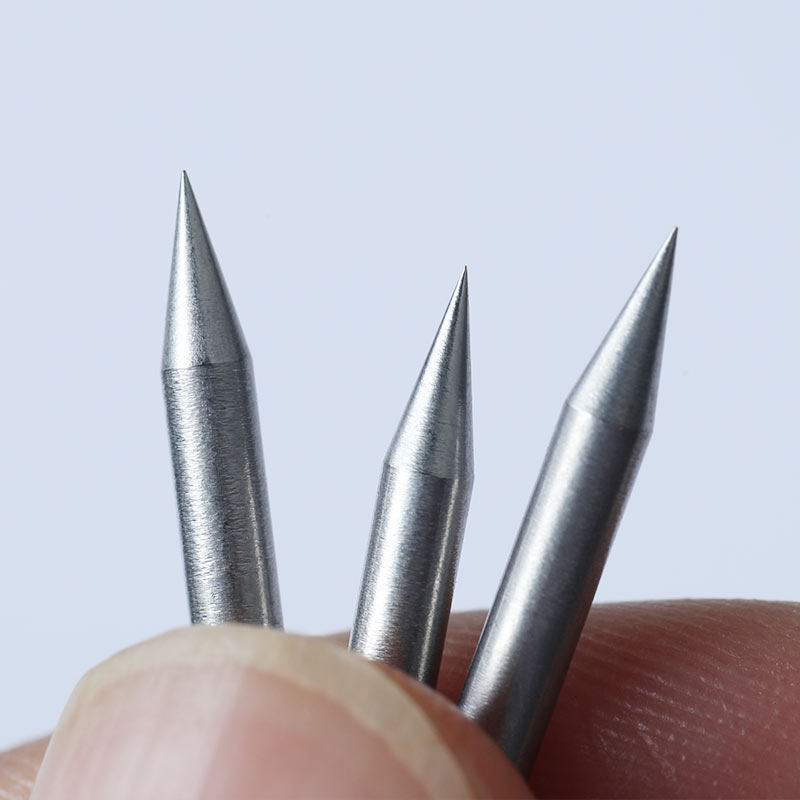
What is a Tungsten Needle? Applications, Properties, and Precision Solutions
A tungsten needle is a slender, precision-engineered rod with a sharpened tip made from 99.9%+ pure tungsten. Featuring a melting point of 3,422°C, high rigidity, and excellent electrical conductivity, it is widely used in TIG welding, semiconductor wafer testing, minimally invasive electrosurgery, and high-precision scientific analysis....
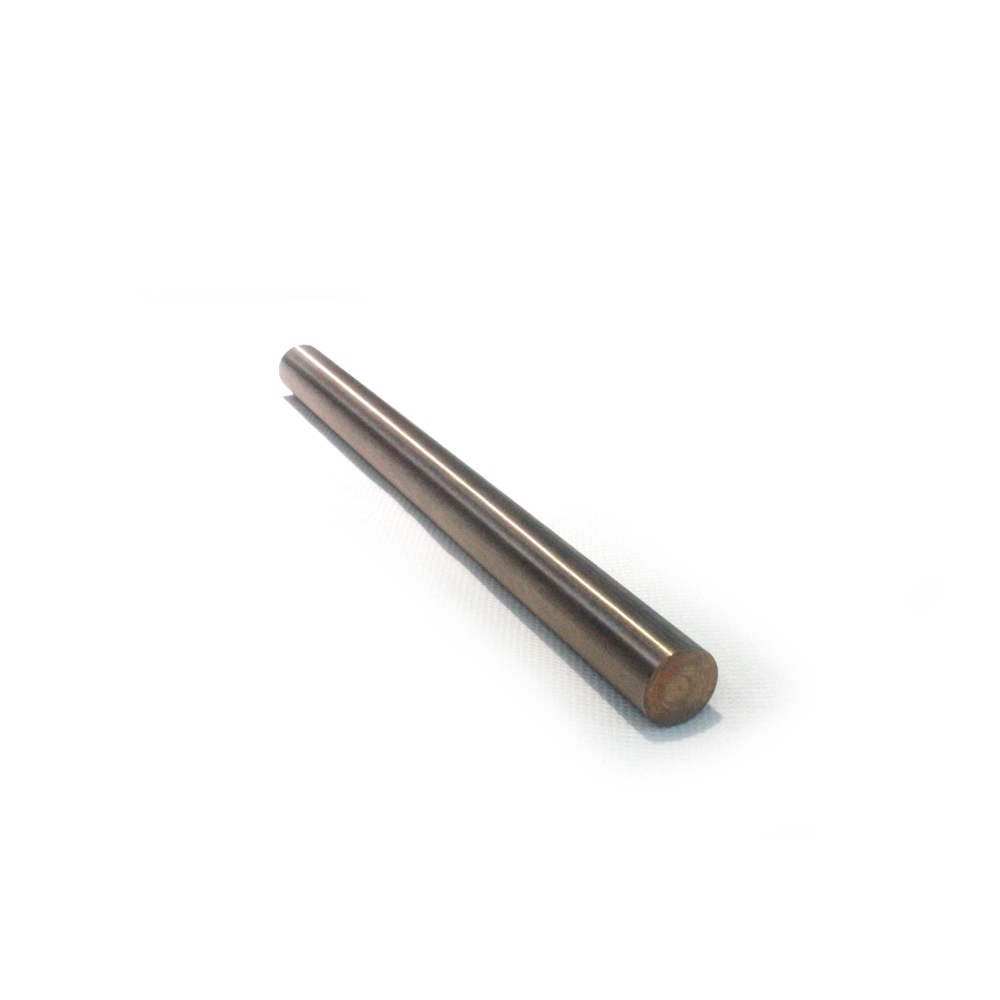
Tungsten Copper Electrodes vs. Other Electrode Materials: A Complete Comparison Guide
How does Tungsten Copper compare to Tungsten Silver, Pure Copper, and Graphite in EDM and resistance welding? This comprehensive guide breaks down their microstructure, conductivity, wear resistance, and cost factors to help you select the ideal electrode material for precision manufacturing....
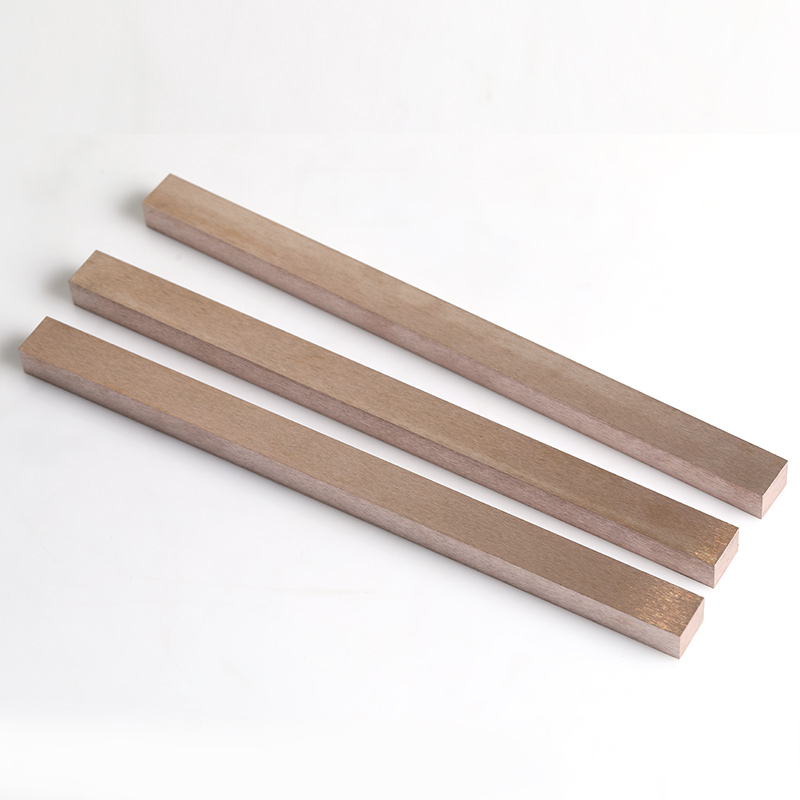
How Does Transpiration Cooling Work in Tungsten-Copper (W-Cu) Alloys?
Much like human perspiration, tungsten-copper (W-Cu) alloys utilize "transpiration cooling" to combat extreme thermal environments. When exposed to severe heat flux, the internal copper melts and vaporizes, absorbing massive latent heat while maintaining the tungsten skeleton's structural integrity. Explore the fundamental mechanisms, key influencing factors, and advantages of W-Cu thermal management....
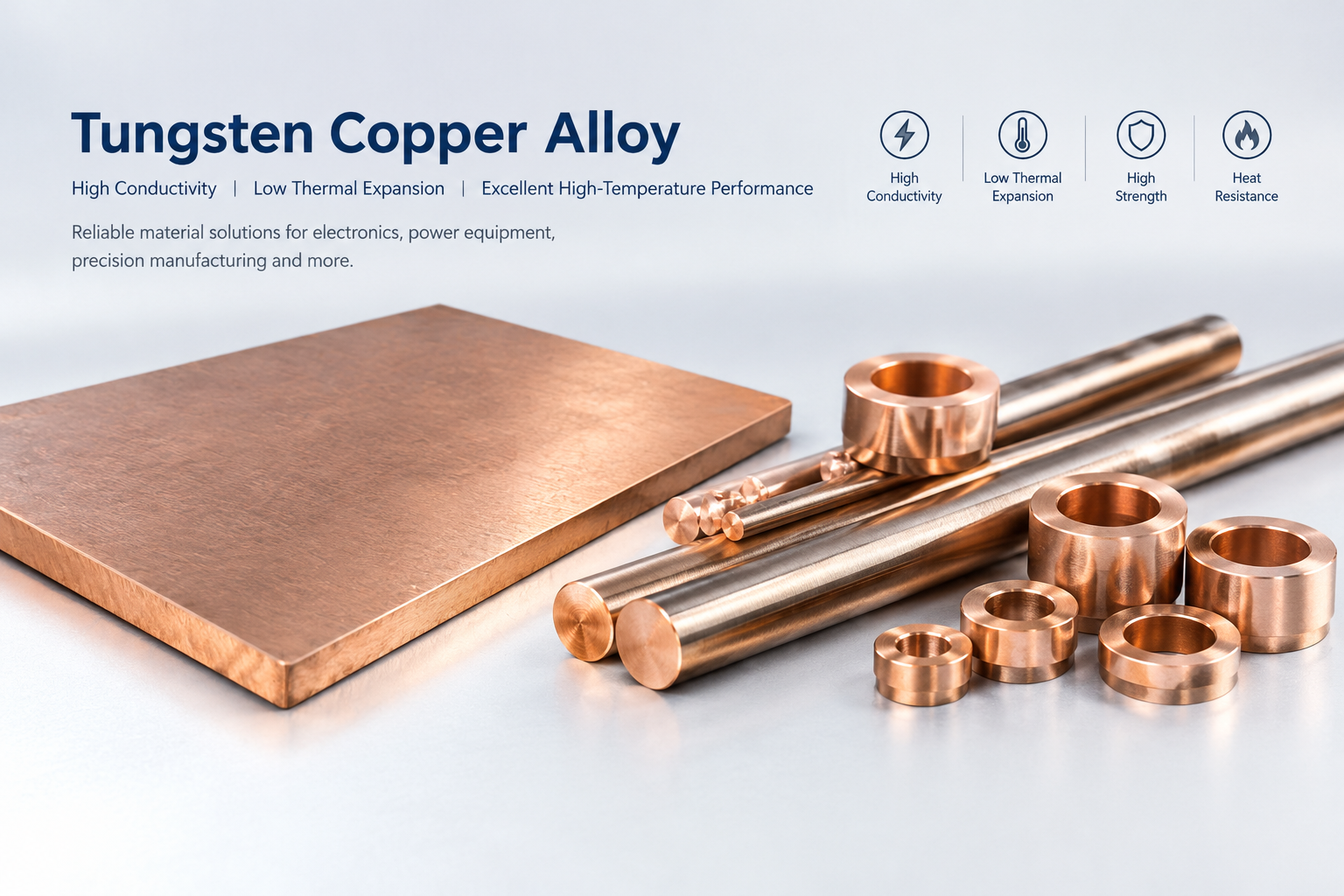
Tungsten Copper Alloy (CuW): High Performance and Versatile Industrial Applications
Tungsten copper alloy (CuW) is a high-performance pseudo-alloy that combines the refractory properties of tungsten with the exceptional thermal and electrical conductivity of copper. This comprehensive guide explores its unique characteristics, common material grades like CuW75, and critical applications across microelectronics, aerospace, and high-voltage electrical engineering....
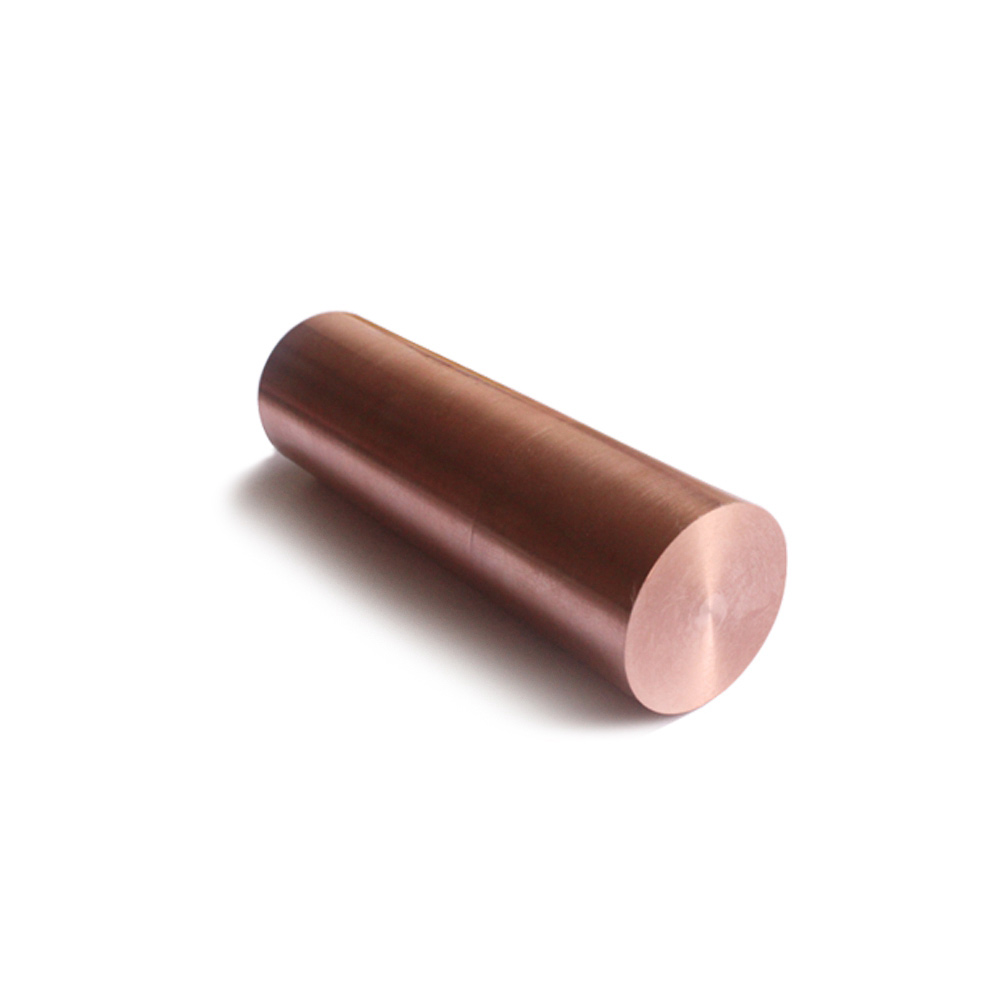
What Are the Characteristics of Tungsten-Copper Alloys?
Tungsten-copper (W-Cu) composite alloys combine outstanding thermal and electrical conductivity with superior high-temperature resistance and arc erosion durability. Discover how HAO CARBIDE utilizes advanced powder metallurgy copper-infiltration technology to engineer tailored materials for EDM electrodes, electrical contacts, and high-power thermal management....
All Categories
- Ground Solid Tungsten Carbide Rods
- Unground Solid Tungsten Carbide Rods
- Tungsten Carbide Rods Single Hole
- Tungsten Carbide Rods Double Holes
- Nonstandard Tungsten Carbide Rods
- Tungsten Carbide Bars And Strips
- Tungsten Carbide Plates
- Customized Tungsten Carbide Products
- Tungsten Carbide Burr Blank
- Tungsten Weight
- Tungsten carbide rods&Custom-made Carbide rods
- Cemented Carbide Plates & Non-Standard Custom-made Carbide Plates
- Cemented Carbide Strips & Non-Standard Custom-made Carbide Strips
- Cemented Carbide Die & Non-Standard Custom-made Carbide Die
Contact Us
HAO Carbide Co., LTD.
Catherine Tang
Tel: +86-731-22199705
Fax: +86-731-28260602
Mob: +86-13975383023
Email: Catherine@haocarbide.com
Web: www.hao-carbide.com
Address: Building 3, Power Valley Industrial Park, Zhuzhou City, Hunan Province, China